
Partner-developed · Scheduled for May 2027

Starting Point: Special-interest Theme

Designing a Buddhist Journey Through Japan

A 13-day journey developed with an international partner around Buddhism, Japanese culture, sacred landscapes, traditional towns, gardens, photography and reflection.

Programme

Partner-developed

Status

Scheduled for May 2027

Duration

13 days / 12 nights

Travel dates: 9–21 May 2027

Towaka's Role

Programme Development · Journey Design · Routing · Feasibility · Japan-side Coordination · Delivery

The Brief

How should Buddhism shape the whole journey?

The partner wanted Buddhism to provide the central thread for the programme without turning the journey into a sequence of temple visits.

Towaka's role was to translate that theme into a route that connects Buddhist culture with landscape, historic towns, gardens, traditional arts, photography and time for reflection.

The current journey moves from Tokyo and Kamakura to the Fuji area and Narai before continuing to Kyoto and Nara, with Mount Hiei and Enryakuji providing an important later stage of the programme.

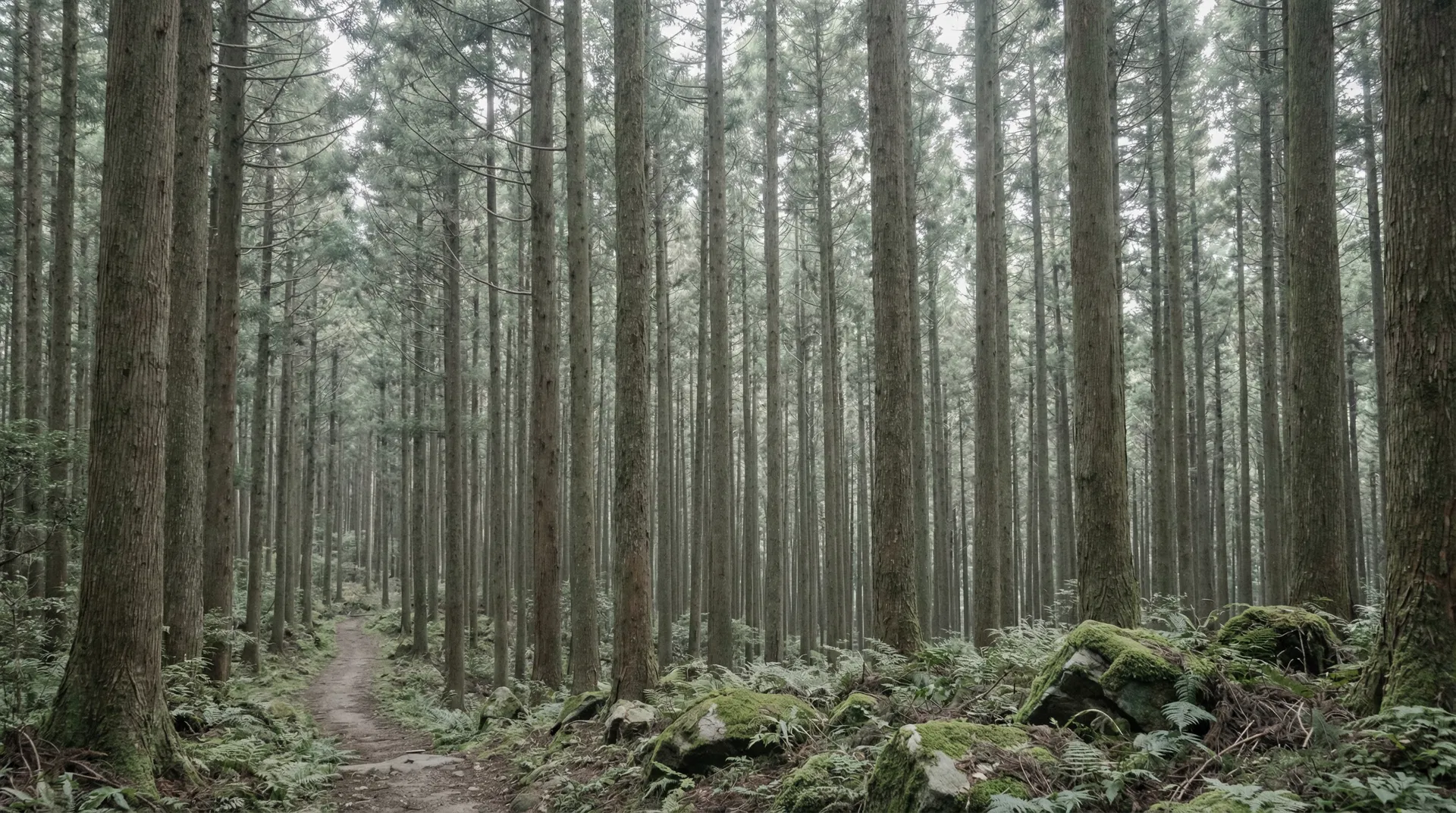
A forest path in Japan
Context image — used to support the editorial reading of this Story.
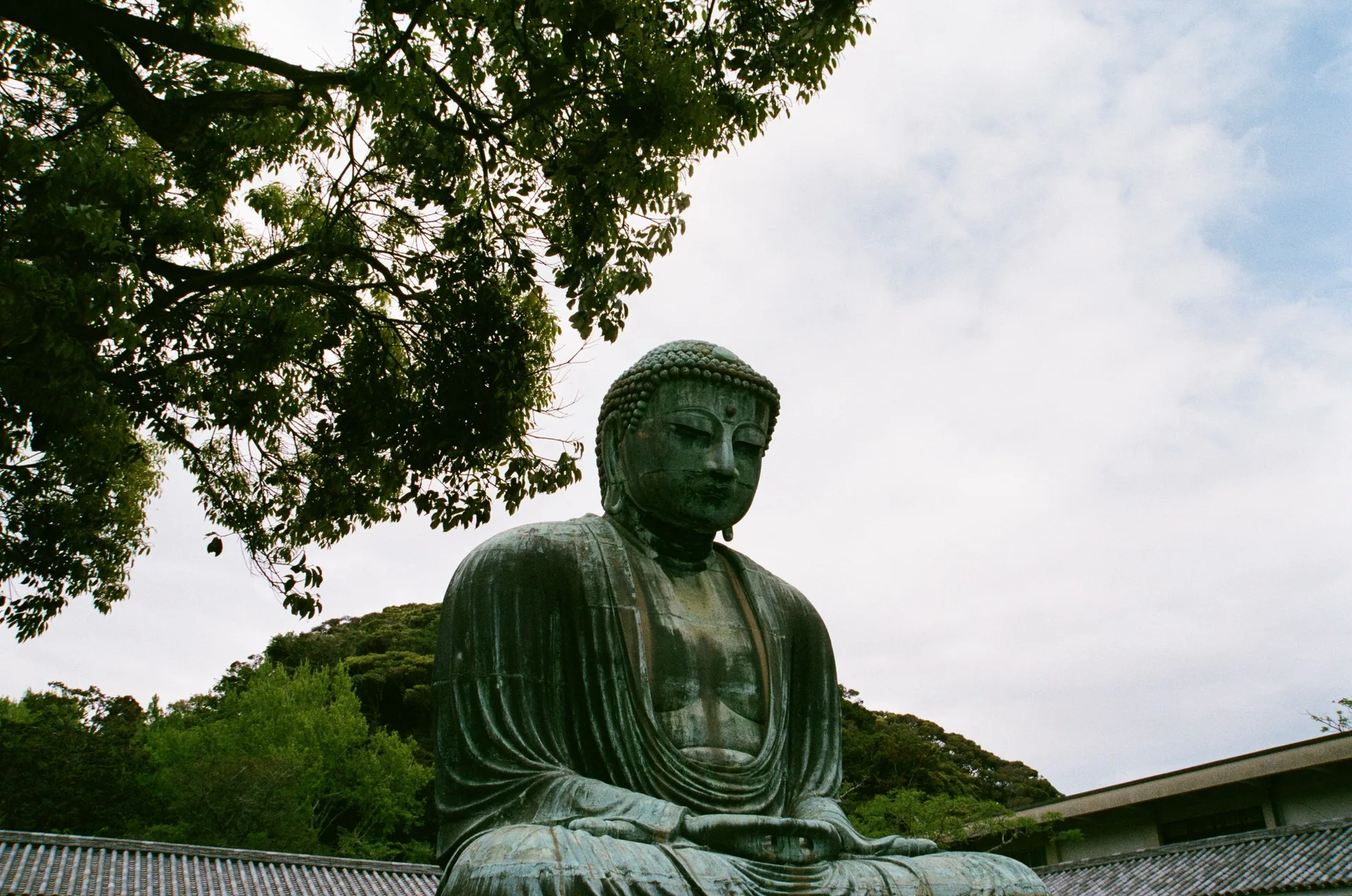
The Great Buddha in Kamakura
Context image — used to support the editorial reading of this Story, not a record of the programme.

The Journey Arc

A gradual movement through context, landscape and reflection.

Arrival and context

Tokyo provides the opening context for contemporary Japan before the programme moves into its Buddhist and historical themes.

Kamakura introduces an earlier centre of Buddhist culture through a combination of temples, history and coastal landscape.

Sacred landscape

Kawaguchiko brings Mount Fuji and the surrounding landscape into the journey.

This stage creates space between the metropolitan opening and the deeper historical programme that follows.

Historic road and townscape

Narai introduces a different scale and rhythm through a preserved post town on the former Nakasendo route.

The transition through central Japan gives the journey a stronger sense of movement through landscape and history rather than simply connecting major sightseeing centres.

Classical and Buddhist Japan

Kyoto and Nara provide greater depth through Buddhist sites, gardens, architecture, traditional culture and photography.

Rather than treating every temple as an individual highlight, the programme uses these places to build understanding progressively.

Culmination at Mount Hiei

Mount Hiei and Enryakuji are positioned as an important later stage of the journey.

The visit is not treated as another temple stop. It brings together the Buddhist, historical and landscape themes developed during the preceding days.

The Decisions

What Towaka decided.

Context before depth

A specialist theme becomes more accessible when participants are given enough context before the programme moves into deeper material.

Let landscape carry part of the story

Mount Fuji, Narai and Mount Hiei give the programme changes of pace and allow landscape to play a role alongside temples and cultural visits.

Protect time for photography and reflection

The programme is not designed around maximum sightseeing volume.

Time and pace are part of the experience, particularly for a group interested in Buddhism, photography and reflection.

Build toward the strongest Buddhist context

The route is structured so that Mount Hiei and Enryakuji come after participants have already encountered different layers of Japanese history, landscape and Buddhist culture.

Towaka's Role

Turning a theme into a journey that can actually be travelled.

Towaka developed the route, journey structure and Japan-side operating framework around the partner's concept and audience.

The programme has progressed from product development into a scheduled May 2027 departure.

What This Demonstrates

A special-interest theme becomes stronger when it shapes more than the visits.

In this programme, Buddhism influences the route, pace, landscape, cultural context and the time left for photography and reflection. The result is not a collection of Buddhist sites, but a journey structured around how participants gradually encounter and understand the theme.

Have a brief with similar questions?

Towaka can begin with a client brief, an existing Japan programme, a market direction or an early product idea.