
HOKKAIDO

Hokkaido

Scale, seasonality and landscape make Hokkaido a region where route and timing strongly influence the journey.

Its cities, agricultural areas, national parks, volcanic landscapes, coastlines and winter environments offer very different possibilities—but the distances between them require disciplined selection.

The aim should not be to cover Hokkaido. It should be to choose the part of Hokkaido that can best deliver what the journey needs.

Journey role
A focused seasonal or nature-led regional journey
Strongest for
Landscape · Food · Outdoor experience · Onsen · Season
Main gateways
New Chitose · Hakodate · Other regional airports as appropriate
Key planning factor
Scale, weather and the choice of one regional direction
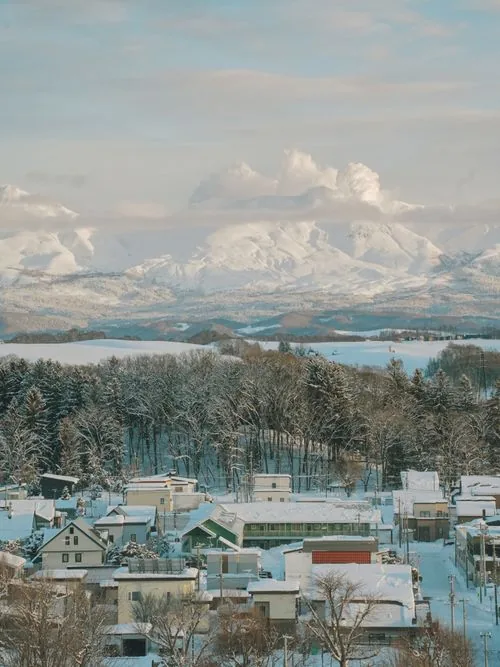
A seasonal town landscape in Hokkaido
A seasonal town landscape in Hokkaido, where weather and scale define the rhythm of travel.
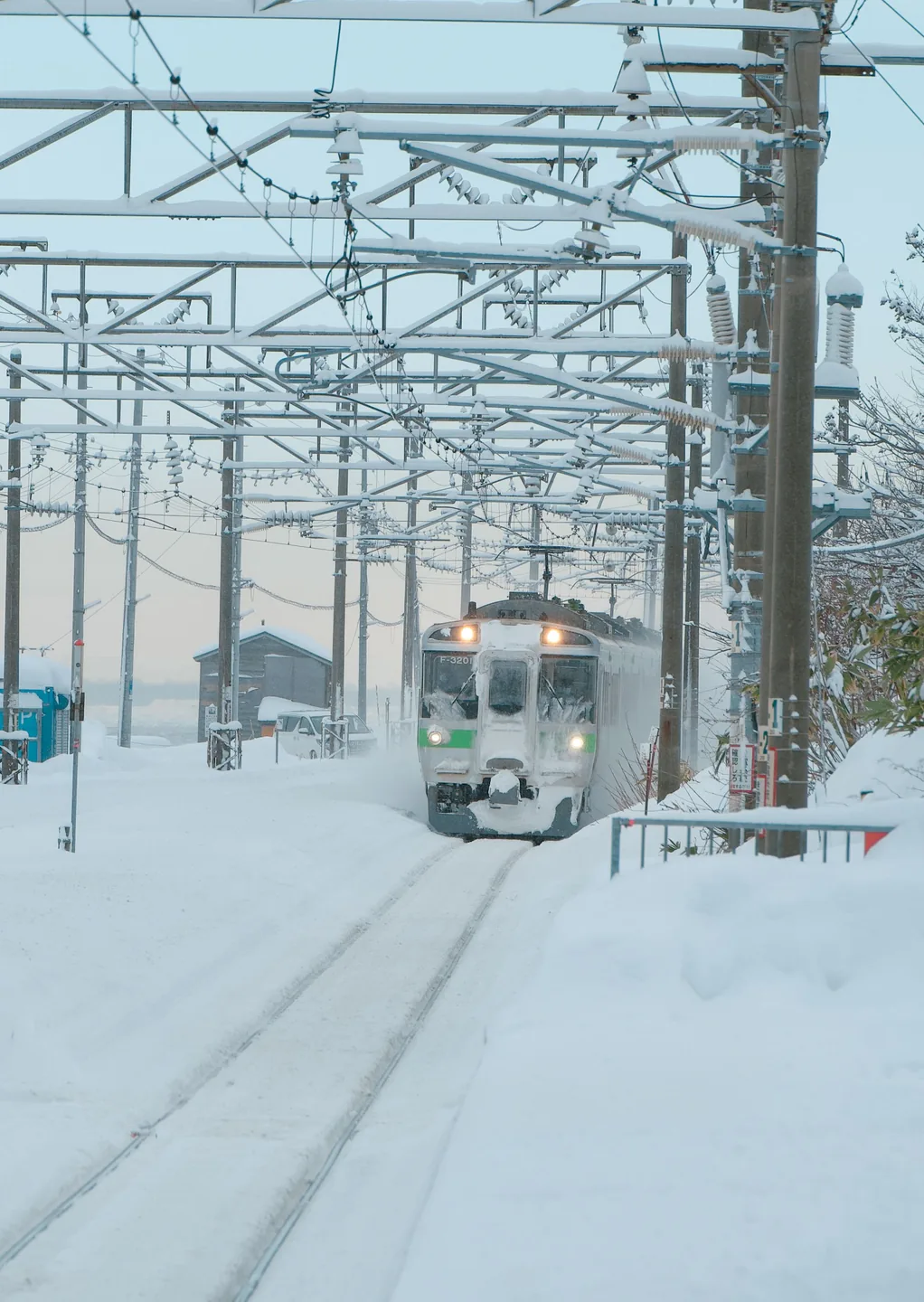
A winter rail scene in Hokkaido
A winter rail scene in Hokkaido, reflecting the role of season and distance in route planning.

SCALE MUST SHAPE THE ROUTE

One clear regional direction

Central Hokkaido: Sapporo can provide an urban gateway, with food, agriculture, onsen and selected landscape-based experiences forming the next stage.

Southern Hokkaido: Hakodate and the surrounding area can connect port history, food and landscape while providing a possible link with northern Honshu.

Eastern Hokkaido: National parks, wetlands, wildlife, coast and a stronger sense of distance can support a nature-led journey requiring more time and operational planning.

Northern Hokkaido: Remote landscapes, islands and seasonal outdoor experiences may suit highly focused briefs where distance is part of the purpose.

These areas should not automatically be combined.

Regional perspective

Cultural Context

Ainu culture is an essential part of Hokkaido’s history and identity.

Its inclusion should depend on credible interpretation and an appropriate local context—not simply on the desire to add an Indigenous cultural element.

Towaka Planning Note

An itinerary that appears geographically simple on a map may still involve substantial driving time.

The operating day—not only the destination list—should determine the route. Weather, daylight, luggage, traveller comfort and credible alternatives all need to be considered from the beginning.

Fit and Limits

Hokkaido may be particularly relevant when:

  • nature, food, skiing or outdoor experience is central to the brief;
  • the traveller wants a marked contrast with central Japan;
  • season is an active part of the journey;
  • a slower regional structure is possible;
  • the partner wants a focused Hokkaido product.

Fit and Limits

It may be less suitable when:

  • only a brief stay is available without one clear base;
  • several distant parts of the island are combined;
  • seasonal conditions are treated as secondary;
  • traveller ability or comfort requirements are not understood;
  • the wider programme already contains substantial domestic travel.

Illustrative Regional Direction

One Gateway, One Landscape Direction

Illustrative concept · Not a fixed itinerary or delivered case study

A possible Hokkaido journey could use Sapporo or another suitable gateway before concentrating on one landscape direction.

The final route would depend on transport, weather, traveller ability, available time and the purpose of the wider Japan journey.

Which Hokkaido belongs in the journey?

Towaka can help identify the region, season, route and pace that best fit the traveller—and determine whether Hokkaido should be a focused journey or part of a wider Japan programme.

Start a conversation