
KYUSHU

Kyushu

A southern region where urban culture, food, craft, hot springs and volcanic landscapes can support very different forms of journey.

Fukuoka provides an accessible urban gateway, while the wider region opens into port cities, ceramic communities, onsen areas and food cultures shaped by both land and sea.

The first planning question is not “What should we include in Kyushu?” but “Which part of Kyushu best serves this journey?”

Journey role
A focused southern chapter or regional journey
Strongest for
Food · Onsen · Craft · History · Volcanic landscape
Main gateway
Fukuoka, with other regional airports depending on the route
Key planning factor
Choosing one clear geographical direction
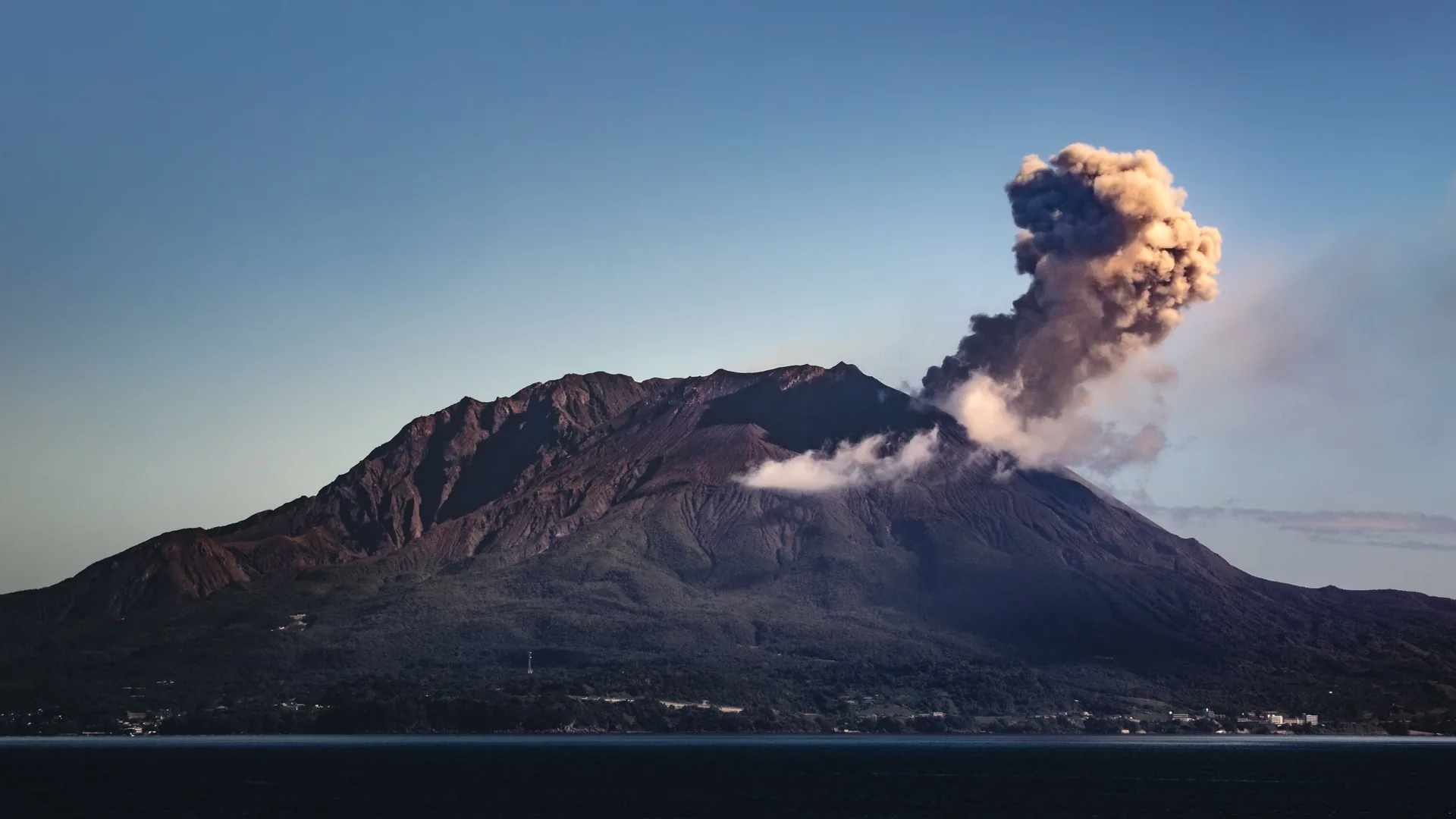
Sakurajima volcanic landscape in Kyushu
Sakurajima, illustrating the volcanic geography that shapes parts of southern Kyushu.
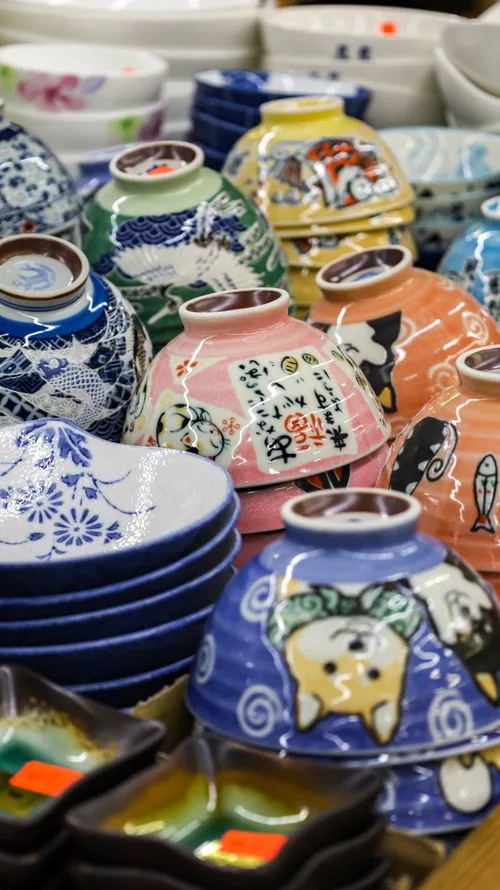
Japanese ceramics shown in a Kyushu craft context
Japanese ceramics, reflecting the craft traditions that remain central to parts of Kyushu.

CHOOSING ONE DIRECTION

Kyushu should not be treated as one uniform destination.

Northern Kyushu, the central volcanic areas and the southern part of the island require different routing decisions.

Fukuoka and Northern Kyushu: Urban culture, food, ceramics and port history can support a journey shaped by exchange and contemporary regional life.

Central Kyushu: Onsen, volcanic geography and rural landscapes can create a slower structure centred on nature, movement and recovery.

Southern Kyushu: Food, history, coast and volcanic landscapes can support a more extended journey with a stronger sense of distance from Japan’s central route.

These directions should not automatically be combined. Additional distance should produce genuine contrast, not simply increase coverage.

Regional perspective

What Kyushu Can Contribute

Food Close to Place: Markets, producers, meals and agricultural landscapes can help food become part of the regional narrative rather than a list of specialities.

Onsen and Geography: Hot-spring culture and volcanic landscape can introduce physical contrast and a slower pace.

Craft, History and Exchange: Ceramic traditions, castle towns and port cities can reveal Kyushu’s history of movement and exchange with the wider world.

Towaka Planning Note

The first decision is not which places to include. It is whether the journey should move through northern, central or southern Kyushu.

Combining these directions without sufficient time can weaken the regional logic and create unnecessary transfers.

Fit and Limits

Kyushu may be particularly relevant when:

  • food, ceramics, history or hot springs are central interests;
  • the journey needs a southern urban gateway;
  • the traveller values regional variety and a slower pace;
  • a repeat visitor wants to move beyond the standard route;
  • the partner is developing a focused regional programme.

Fit and Limits

It may be less suitable when:

  • the intention is to cover the entire island in a few nights;
  • transfers would leave insufficient time for the places themselves;
  • the journey already contains several domestic flights;
  • the region is being added without a clear purpose.

Illustrative Regional Direction

An Urban Gateway Followed by a Slower Regional Stay

Illustrative concept · Not a fixed itinerary or delivered case study

A possible structure could begin with Fukuoka as an urban and culinary gateway before moving into one focused onsen, craft or landscape-based direction.

The exact route and duration would depend on season, transport, accommodation and the wider Japan journey.

Which Kyushu fits the brief?

Towaka can help identify the regional direction that best fits the traveller, purpose, season and wider route.

Start a conversation